Jun 26, 2026Product Blogs
Australia vs. Europe: 3 Key Differences in Supermarket Shelving Standards
Discover key differences between Australian 41mm pitch and European 50mm pitch supermarket shelving standards to avoid costly compatibility mistakes.
Introduction
A common misconception in the retail equipment industry is that "a shelf is just a shelf." Many global retailers assume that a system designed for Europe will work seamlessly in Australia. However, as specialists in supply chain integration, we know that the subtle differences in standards can lead to major headaches—from incompatible accessories to safety compliance failures.
If you are sourcing shelving for the Australian or European markets, here are the three critical technical differences you need to consider before placing an order.
1. The Pitch & Hole Pattern: The DNA of Compatibility
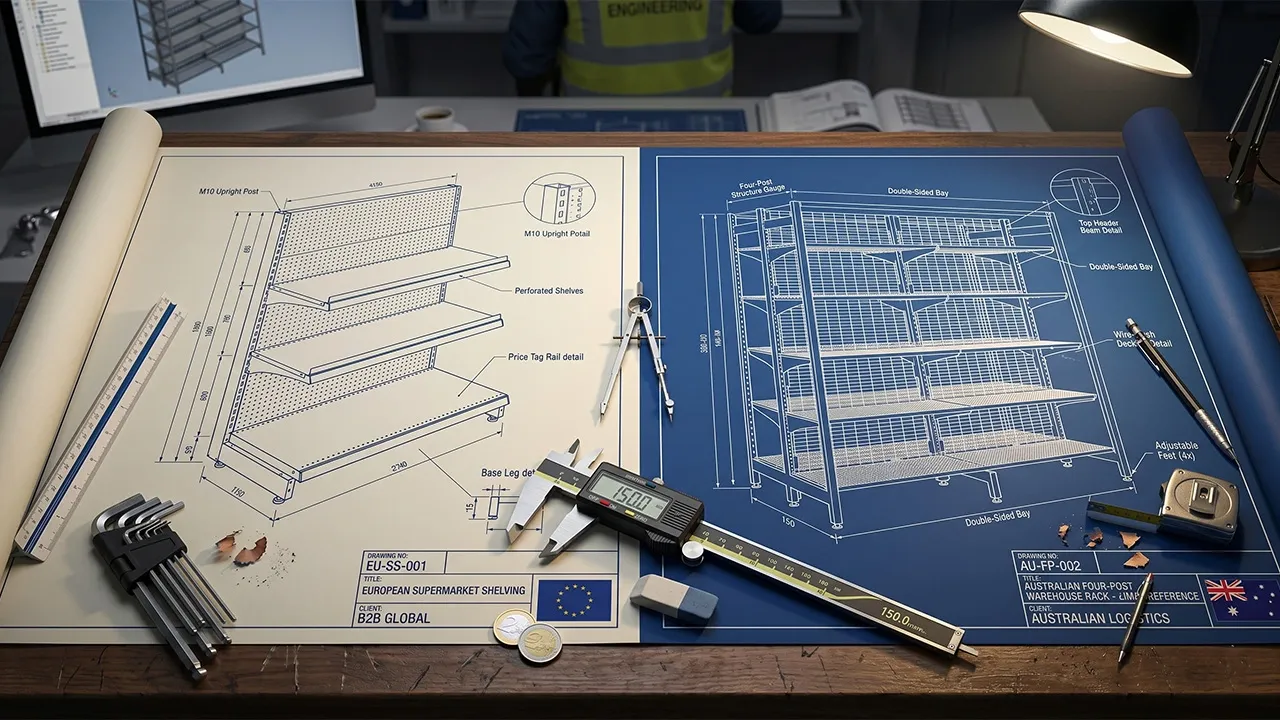
The "Pitch" (the distance between the center of one hlot and the next) is the DNA of your shelving system. A millimeter makes all the difference. As shown in the technical comparison below, standardizing is not universal. Mixing incompatible pitch patterns is a classic, costly error.
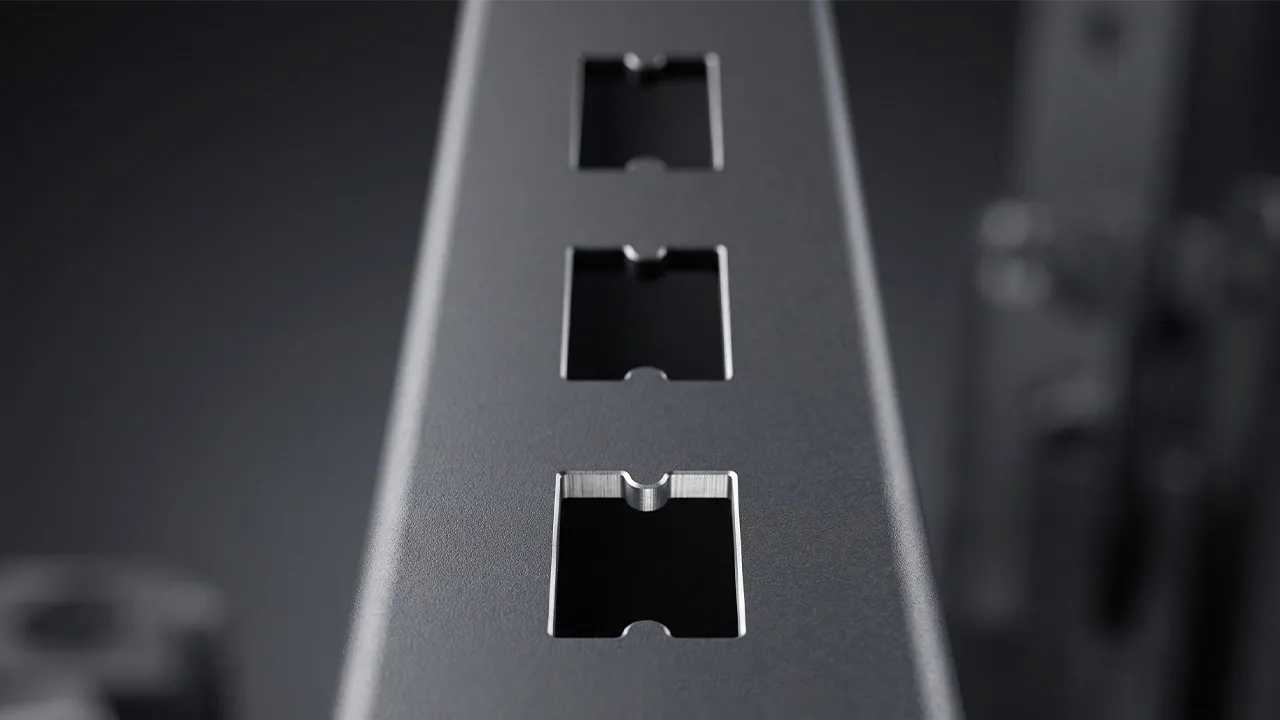
Here is the technical reality that most factory catalogs won’t tell you:
- The European Standard: Most Euro-style gondolas utilize a 50mm pitch. This is highly standardized across the EU, making it incredibly easy to find compatible hooks, wire dividers, and other accessories.
- The Australian Market: While 50mm is used, Australia has a legacy of diverse systems, with a very common presence of the 41mm pitch (sometimes referred to as the 'narrow pitch' pattern), alongside other variations depending on the major retailer chain.
The Risk: The "Don't Mix!" Factor If you source a standard 50mm Euro-style upright for a store that uses existing 41mm accessories (or vice-versa), your wire fences, dividers, and ticket strips simply won't fit. You cannot force them. It stalls the entire installation rollout.
At our supply chain integration hub, we act as your technical gatekeeper. We don't just supply metal; we perform an engineering drawing cross-reference. We ensure the specific hole pitch of your target region is built into the technical specifications. Don't Mix! Every detail, every millimeter counts. Let’s get it right, together.
2. Steel Grade & Safety Factor: The Stability Demand
Australia and Europe have different approaches to "Load-Bearing Capacity" and structural safety.
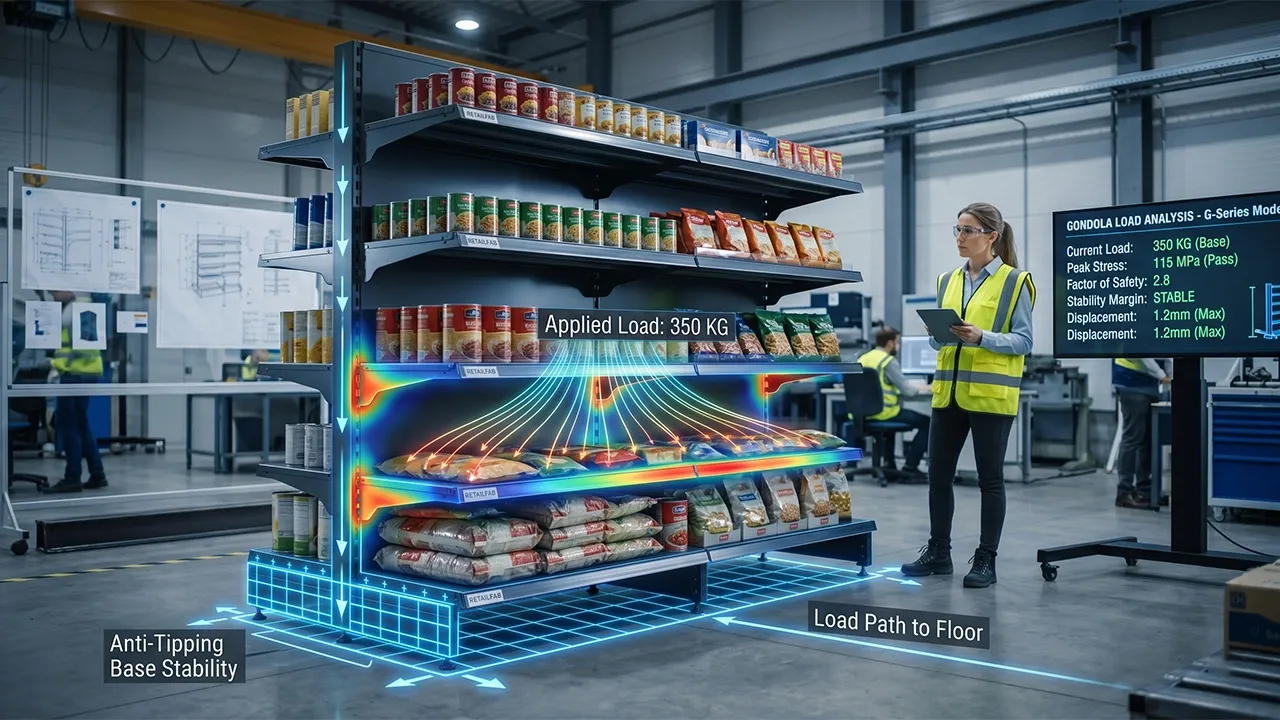
- Australian Standards: The Australian market places a heavy emphasis on anti-tipping and base stability, especially for island gondolas. Because Australian stores often feature deeper base shelves to accommodate bulkier items, the center of gravity shifts.
- Safety Factors: In our engineering reviews, we often find that Australian projects require a higher safety factor for upright thickness to prevent "leaning" under heavy loads. Whether it’s 0.8mm or 1.0mm steel, we optimize the Steel Grade to ensure the structure meets local safety compliance without overspending on unnecessary weight.
3. Finish Durability: Fighting the "Salt Air" in Coastal Cities
This is a detail often overlooked by inland manufacturers, but it is critical for cities like Brisbane, Sydney, or Perth.
- The Coastal Challenge: A significant portion of the Australian population lives near the coast. High salt content in the air can lead to premature rust on standard powder-coated shelves.
- The European Comparison: While Europe has coastal regions, many of its major retail hubs are inland with lower humidity.
- Our Solution: For our Australian clients, we recommend a High-Durability Powder Coating process. We focus on the precise pre-treatment of the cold-rolled steel to ensure maximum adhesion, providing a finish that resists corrosion far better than a "standard" factory coat. This is why finishes like Hammertone Black or Sand Black are not just aesthetic choices—they are protective ones.
Conclusion: Why Local Knowledge is Your Best Asset
Navigating international standards requires more than just a catalog; it requires a partner who understands the engineering behind the product.
At our supply chain integration hub, we don't just take an order. We act as your technical gatekeeper, ensuring that the 0.8mm shelf you order for Poland or the heavy-duty gondola you need for Brisbane is built to the correct regional specs.
Don't let a "standard" shelf become a costly mistake. Contact us for a professional technical review of your next project.